

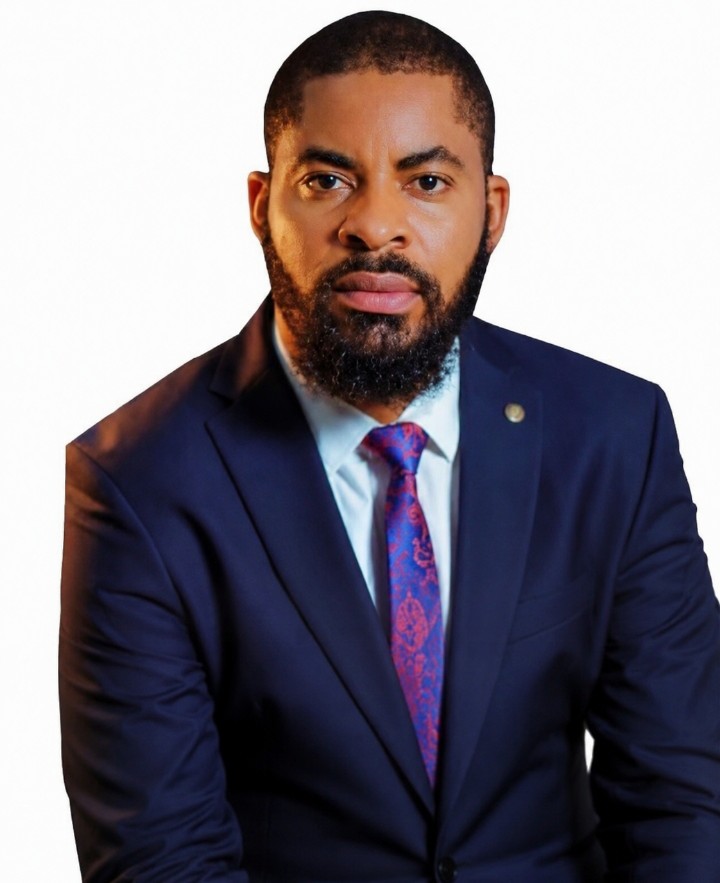
Human rights lawyer and activist, Deji Adeyanju, on Monday testified as the second prosecution witness in the ongoing trial of former Kaduna State Governor, Nasir El-Rufai, over allegations of unlawful interception of a telephone conversation involving the National Security Adviser (NSA), Nuhu Ribadu.
Adeyanju appeared before Justice Joyce Abdulmalik of the Federal High Court in Abuja, where he told the court that a video recording played during proceedings accurately reflected events that occurred during an Arise Television programme aired on February 13, 2026.
The State Security Service (SSS) had filed a five-count charge against El-Rufai following comments he made during the television interview, in which he claimed to have access to information from a telephone conversation involving the NSA and an alleged plan by security agencies to arrest him.
El-Rufai, who was arraigned on April 23, pleaded not guilty to the charges and was granted bail in the sum of N100 million.
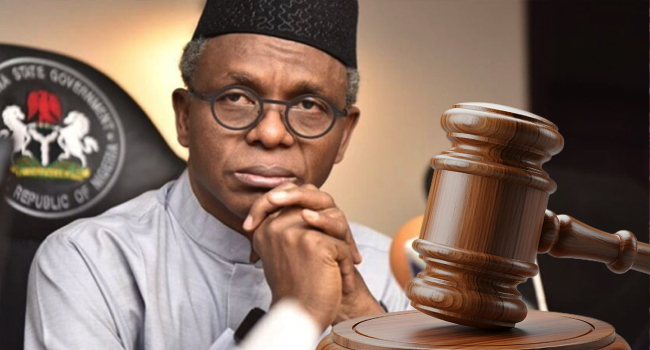
While giving evidence, Adeyanju identified El-Rufai as a former governor of Kaduna State and recalled that reports had emerged on February 12 suggesting the ex-governor was under investigation or facing possible arrest by security agencies.
He told the court that prior to the interview, he had publicly urged El-Rufai to honour any invitation from security agencies, stressing that any investigation should not be viewed through a political lens.
During the proceedings, the prosecution, led by Senior Advocate of Nigeria (SAN), Oluwole Aladedoye, tendered a subpoena served on Adeyanju. The document was admitted into evidence as Exhibit G without objection from defence counsel, Paul Erokoro (SAN).
The court also replayed the interview video earlier tendered by the prosecution. After watching the recording, Adeyanju confirmed that it accurately reflected what transpired during the broadcast.
In the video, Adeyanju argued that if authorities intended to arrest El-Rufai, they could have done so upon his arrival in Nigeria. He also said the former governor should be investigated over corruption allegations and prosecuted if sufficient evidence existed.
Adeyanju further criticised El-Rufai’s record in office, describing him as a violator of human rights and suggesting that his current legal challenges were linked to past actions.
The witness told the court that he was later invited by the SSS to make a statement regarding the interview.
“I confirmed that El-Rufai said that someone tapped and gave him the information. I put all that into writing,” Adeyanju said.
During cross-examination, the defence questioned whether El-Rufai expressly stated that he personally intercepted any telephone conversation.
Responding, Adeyanju said:
“Mr El-Rufai said, ‘we listened to their calls.’”
The defence also argued that hearing a conversation played on speakerphone would not necessarily amount to illegal interception or phone tapping.
Adeyanju maintained that he could only testify to what was said during the interview and acknowledged that he had no knowledge of how the information was allegedly obtained. He further stated that he had no opinion on whether any communication device belonging to the NSA had been compromised.
The witness added that he appeared in court solely in compliance with a subpoena.
Following the testimony, Justice Abdulmalik adjourned the matter until June 23, 2026, for continuation of trial.
The case arises from comments made by El-Rufai during a television interview in which he alleged that information obtained from a conversation involving the NSA revealed plans by security agencies to arrest him after his return from Cairo, Egypt.