

Afrobeats star David Adeleke, popularly known as Davido, has rejected claims that he was surrounded by a team of political supporters during the Osun State governorship election, insisting that he acted independently to support his family.
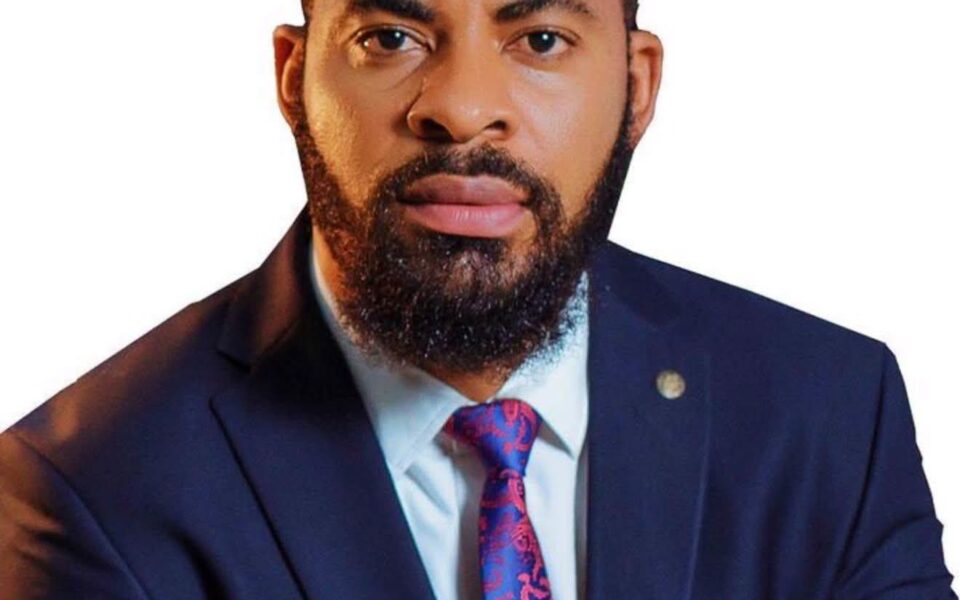
Davido made the remarks in response to a lengthy post by the All Progressives Congress National Youth Leader, Dr Dayo Israel, who reflected on the party’s defeat in the election and highlighted the singer’s role in mobilising young people for Governor Ademola Adeleke’s campaign.
Israel, in his post titled “Osun Has Spoken: The Bitter Truth APC Must Hear Before 2027,” described Davido as one of the three defining figures of the election, alongside President Bola Ahmed Tinubu and Governor Ademola Adeleke.
The APC youth leader said Davido leveraged his influence, networks, music and digital reach to connect the Adeleke campaign with young voters, adding that the opposition successfully activated prominent young personalities while the APC remained largely dependent on governors, senators and former political office holders.
He asked: “Who are the Davidos in the APC?”, questioning whether the party has young figures capable of using their influence, creativity and networks to mobilise voters.
Responding to the post, Davido dismissed the suggestion that he brought a team of supporters into the political contest.
“I brought no one! No one defended me! I backed my family on my own!! You guys r ruthless n disgusting! Eeewwww! I have done my job! Nigerian politics is evil AND I DON’T WANT TO BE A PART OF IT TILL GOD HELPS US,” he said.
Davido’s reaction suggests a growing frustration with political participation despite his prominent involvement in supporting his uncle, Governor Ademola Adeleke.
Governor Adeleke was declared the winner of the Osun governorship election after securing 511,067 votes, defeating the APC candidate, Bola Oyebamiji, who polled 444,815 votes.
In his assessment, Israel urged the APC to learn from the defeat ahead of the 2027 general elections, particularly by strengthening its youth and women structures, improving grassroots mobilisation and avoiding the sidelining of constitutionally recognised party organs.
He also argued that the result demonstrated the importance of cultural identity, emotional connection and grassroots engagement in modern Nigerian politics.