


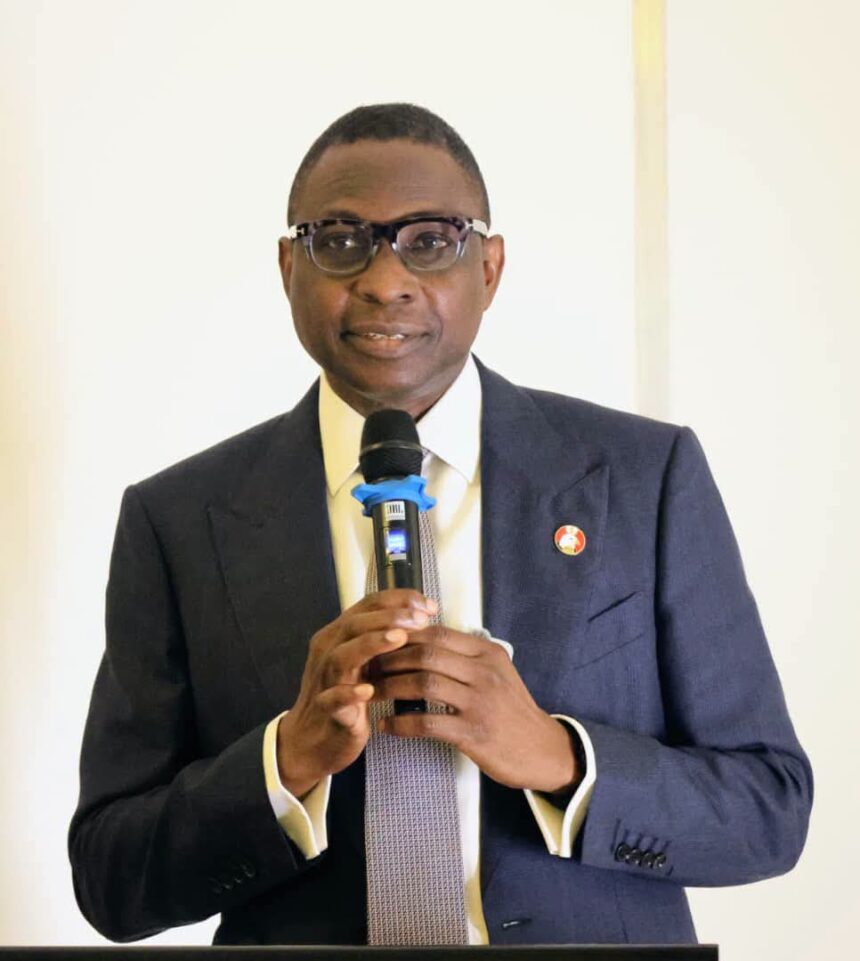
The Chairman of the Economic and Financial Crimes Commission (EFCC), Ola Olukoyede, has described contract fraud as the most prevalent form of corruption in Nigeria’s public sector, warning government officials against exploiting their positions for personal enrichment.
Olukoyede made the remarks on Thursday during a two-day induction programme organised by the Bureau of Public Service Reforms (BPSR) for the Chief Executive Officers, Chairmen and Governing Board members of the South-South Development Commission (SSDC) in Abuja.
Speaking on the theme, “The Role of the EFCC in Improving Accountability in the Public Service,” the anti-graft agency chairman said public office is a trust that must be used to safeguard national resources rather than enrich individuals.
Drawing from his experience in regulatory compliance, Olukoyede said procurement-related fraud remains the dominant form of corruption in government institutions, with some public officials manipulating contract award processes to favour themselves or preferred companies.
He noted that corruption continues to drain public resources, depriving Nigerians of critical infrastructure and essential social services, while annual losses to fraudulent practices amount to billions of naira.
The EFCC chairman identified other common forms of corruption in the public service to include theft and diversion of public funds, bribery and kickbacks, misappropriation, payroll and pension fraud, procurement fraud, and duty tour allowance fraud.
According to him, contract fraud often takes the form of contract splitting to evade approval thresholds, bid manipulation, the award of contracts to unqualified firms, and payments for poorly executed or abandoned projects.
Olukoyede reminded participants that the EFCC, established in 2003, is mandated to investigate and prosecute economic and financial crimes, recover stolen assets, and promote public awareness on accountability and transparency.
He, however, acknowledged challenges confronting the commission, including inadequate funding and manpower, delays in prosecuting high-profile corruption cases, limited public support, and allegations of selective investigations.
Addressing the newly appointed SSDC board members, Olukoyede urged them not to view their appointments as an opportunity to share in the nation’s wealth.
“Public service is not an invitation to loot the treasury,” he said, urging the officials to uphold integrity and accountability in the discharge of their duties.
He also advised them to familiarise themselves with the Financial Regulations, Public Service Rules and the Public Procurement Act, stressing that they should not seek contracts from the commission they serve, either directly or through proxies.
The EFCC boss further warned public officials against operating foreign bank accounts, engaging in businesses that conflict with their official responsibilities, or carrying out financial transactions outside recognised financial institutions.
He concluded by urging them to keep proper financial records and carefully scrutinise every official document before signing, noting that a public officer’s signature represents both their identity and integrity.